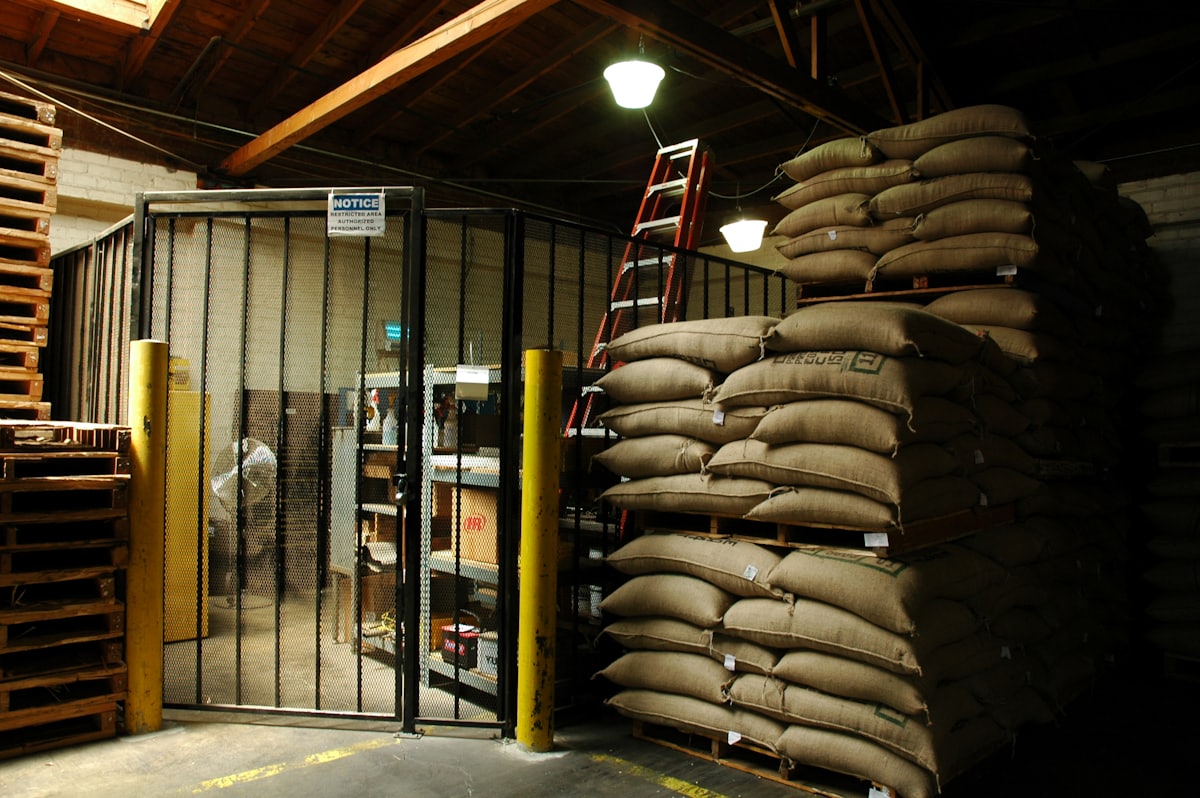
The storekeeper at a boarding school in Machakos hands the cook two bales of unga, a tin of cooking oil, and a sack of beans. The cook says asante and carries them to the kitchen. Nothing is written down — or it goes into an exercise book that lives on a nail behind the door. Three weeks later the head teacher asks a simple question: how much oil have we used this term? Nobody can answer. The store is emptier than it should be, and there is no way to say whether that's normal, wasteful, or something worse.
This is a different problem from a shop, and it needs a different tool.
Selling and issuing are not the same thing
A duka sells. Money comes in, stock goes out, and the two are tied together — if the stock left, there should be cash to show for it. A canteen, a school kitchen, a camp mess, a clinic store, or a company staff kitchen doesn't sell. It issues. Supplies leave the store and go to a department or a person, and there is no sale, no price, no receipt to check against.
That's exactly where the usual POS logic breaks down. You're not asking "did we get paid?" You're asking "who took this, which department was it for, and what was it used for?" An ordinary sales system has nowhere to put those answers.
Where the store actually leaks
When issuing isn't recorded properly, the losses are quiet and they add up:
- No name on it. Stock leaves, but there's no record of who collected it, so no one is accountable when the numbers don't add up.
- No purpose. Was that oil for the students' meals or a staff function? Without the reason attached, you can't tell normal use from leakage.
- The exercise book. Pages get torn, handwriting is unreadable, and the one book is with whoever had it last. At term's end, nobody can reconstruct what happened.
- No comparison. Because nothing is summarised, you can't see that the kitchen suddenly started drawing twice the sugar it used last month.
None of this is dramatic on any single day. Over a term, it's the difference between a budget that holds and one that mysteriously doesn't.
What good issuance tracking looks like
The fix isn't complicated, but it has to be consistent. Every time stock leaves the store, four things get recorded: what (the items and quantities), who received it, which department it went to, and why. Do that every time, and the store stops being a black box. You can answer the head teacher's question in seconds, and you can spot the department that's drawing more than it should before it becomes a real hole.
The trouble is that doing this by hand — one honest storekeeper, one exercise book — is exactly what fails under pressure. It needs to be quick enough that nobody skips it on a busy morning.
How StockWise handles issuance
StockWise has a mode built for this. Instead of ringing up a sale, the storekeeper issues stock to a department — pick the items, set the quantities, choose the department, record who it was issued to and the purpose, and confirm. Stock levels drop automatically, the same way they would after a sale, but with no price attached.
A few things make it hold up in a real institution:
- Departments and issuance categories are yours to set up — kitchen, dormitory, clinic, workshop, whatever your operation runs on.
- Every issue is on the record — items, quantity, who received them, department, and purpose — so nothing leaves the store unaccounted for.
- Issuance history and reports let you review everything issued over any period, by department or category, and export a report when the bursar or director asks.
- It runs on a phone or tablet in the store, and each storekeeper can have their own login, so you know who issued what.
It's the same system that handles selling for shops — you just switch it to the mode that fits how your store actually works. Plans start from KES 1,500 a month, and there's a free trial so you can load your real store and run a week of issues before committing.
If your store is still run on a nail-and-exercise-book system and every term ends in a guessing game, it's worth trying something built for it. Start a free trial and issue your first week of stock properly, or talk to us about setting it up for your institution.