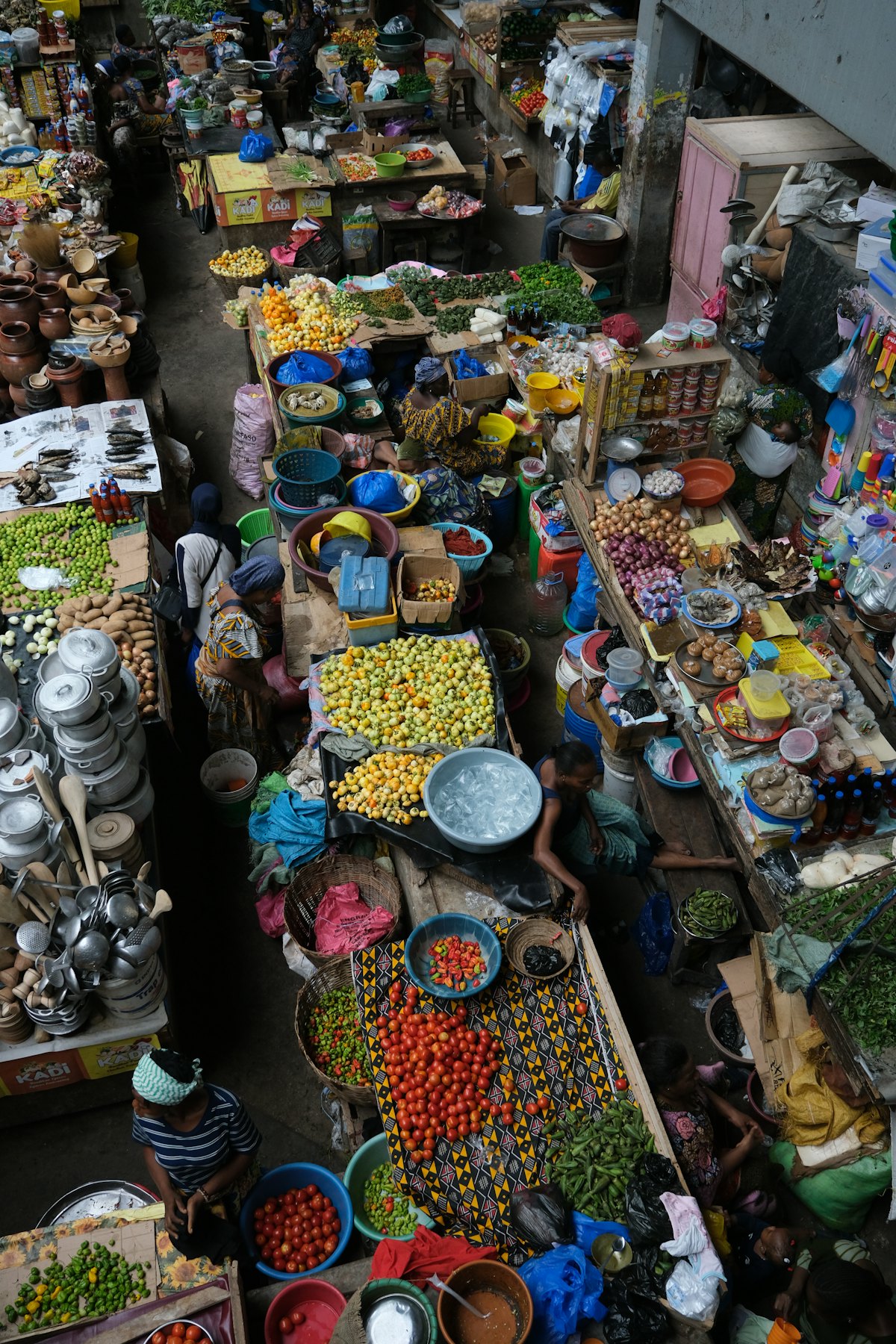
Ask five shop owners around Gikomba what a POS system costs and you'll get five different answers — because half of them are still pricing it against a standalone till machine someone's cousin bought in 2019, and the other half are quoting a number a salesman gave them without ever seeing their shop. Neither number tells you what you'll actually pay, or what you'll actually get.
So let's do the honest version.
The monthly fee, plainly
Cloud POS software, StockWise included, is billed monthly. You're not buying a machine outright the way you would an old-style till — you're paying for access, and the software keeps improving underneath you without another invoice landing on your desk.
StockWise plans start at KES 1,500 a month, with higher tiers if you need more staff logins, more stores, or deeper reporting. That's roughly the cost of a slow afternoon's worth of sales in most shops — and it's spread out monthly rather than dropped on you as a lump sum you have to find before you can even open.
What people get wrong about hardware
Shop owners routinely budget for a terminal they don't need. You don't need a dedicated POS machine to start. A smartphone works. A tablet works. The laptop already sitting at your counter works. StockWise runs in a browser, so if you've got a device with internet, you've got a till.
A receipt printer, a barcode scanner, a cash drawer — these are nice once the shop is busy enough to justify them. They speed things up. They are not, however, the price of entry. Plenty of shops run for months on just a phone before adding anything else.
The cost of not having one
This is the part price comparisons usually skip. A cheap or absent system has its own bill, you just don't see it as a line item — you feel it at month end when the numbers don't add up.
- Stock that quietly disappears. No tracking means no one notices a shortfall until the shelf is already empty, and by then you can't tell if it was theft, a miscount, or something that walked out the back.
- Deni you can't chase. Sell on credit off memory or a torn notebook page, and sooner or later you're arguing with a customer about a debt neither of you can prove.
- A slow till on a busy day. Every customer left standing while someone hunts for a price is a sale you were close to losing.
- Records that vanish with the phone. A notebook gets lost. A phone gets stolen. Paper doesn't back itself up.
- Untrained staff, guessing. A confusing system means mistakes at the counter, and mistakes at the counter cost you money quietly, every single day.
None of that shows up on a price list. It shows up in your profit — or the absence of it.
What the fee actually buys
For that KES 1,500-plus, StockWise gives you:
- Inventory tracking built for your type of business — hardware, grocery, pharmacy, electronics, and others — so you know what's on the shelf without walking over to check.
- Low-stock alerts, so you reorder before you run out, not after a customer walks away empty-handed.
- Sales recording on every transaction, automatically, no end-of-day guesswork.
- M-Pesa recording, so mobile money and cash sales reconcile against what actually landed in your account.
- Deni and customer tracking, so credit sales are written down properly and you can follow up on who owes what.
- Daily and monthly reports on sales and profit, so you're running the shop on numbers instead of a feeling.
- Multiple logins for owners, managers, and cashiers, so you can see who did what at the till.
Choosing well, not just cheaply
The cheapest option isn't automatically the right one. A duka selling airtime and soft drinks needs different things from a hardware shop tracking hundreds of SKUs or a pharmacy watching expiry dates — pick software built for how your business actually runs, not a one-size-fits-all template.
Take the free trial seriously before you commit. Load your real products. Let your cashier actually use it for a few days. If it's clunky at the counter or the reports don't make sense to you, that's worth knowing before you pay, not after.
Want to see the full pricing breakdown? Visit our pricing page, or get in touch and we'll help you figure out what fits your shop.